40 Bible Verses About Love and Relationships
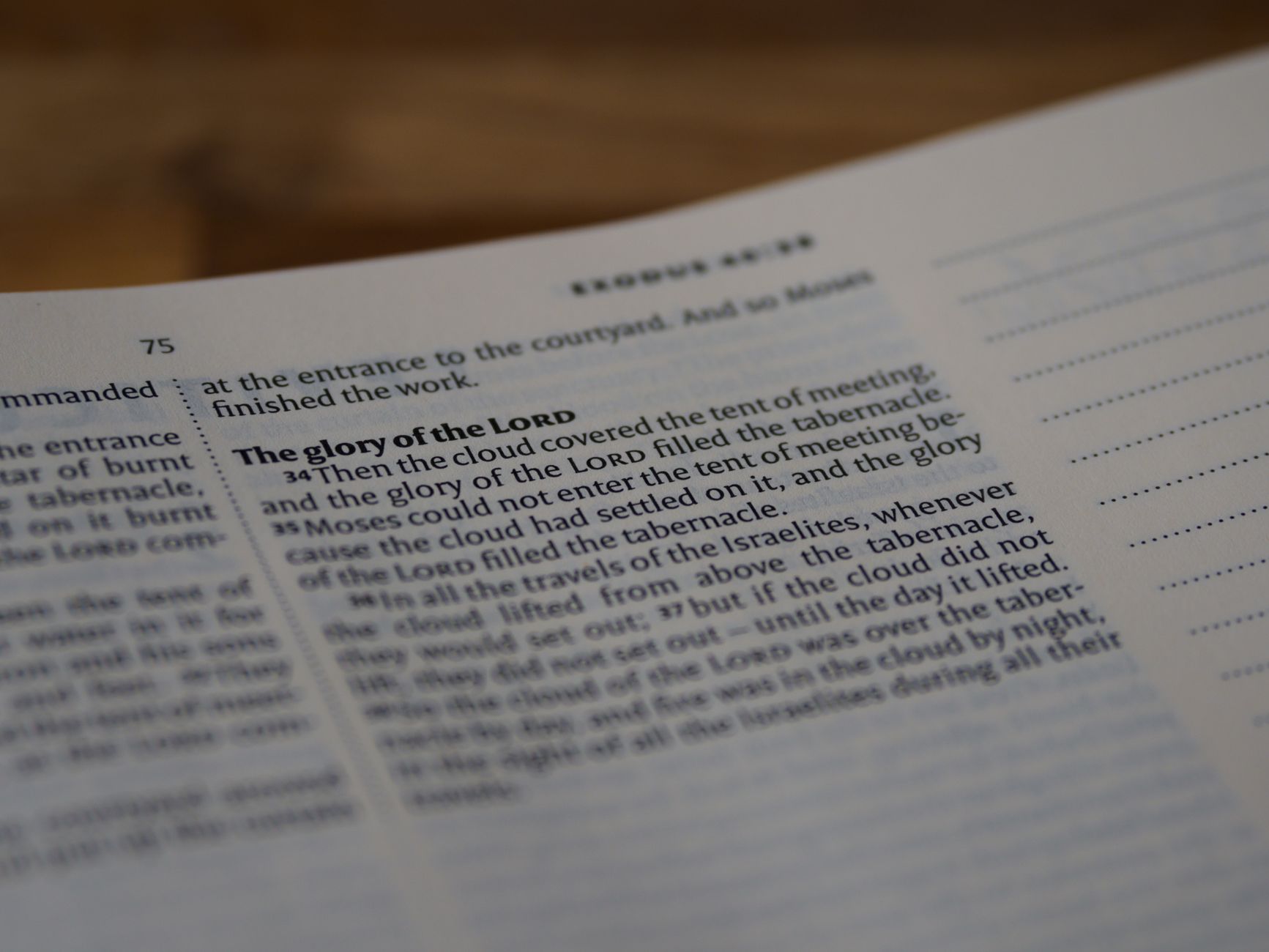
When life’s storms hit hardest, God’s Word becomes our anchor. These carefully selected Bible verses about love and relationships aren’t just inspirational quotes — they’re living, breathing promises from the God who created you and holds your future.
Whether you’re searching for comfort at 3 AM or need strength to face another day, these verses speak directly to your situation. Bookmark this page and return whenever you need a reminder of God’s faithfulness.
Verses About God’s Comfort and Presence
“The Lord is close to the brokenhearted and saves those who are crushed in spirit.” — Psalm 34:18 (NIV)
“Even though I walk through the darkest valley, I will fear no evil, for you are with me; your rod and your staff, they comfort me.” — Psalm 23:4 (NIV)
“Cast all your anxiety on him because he cares for you.” — 1 Peter 5:7 (NIV)
“He heals the brokenhearted and binds up their wounds.” — Psalm 147:3 (NIV)
“Come to me, all you who are weary and burdened, and I will give you rest.” — Matthew 11:28 (NIV)
“Blessed are those who mourn, for they will be comforted.” — Matthew 5:4 (NIV)
“The Lord himself goes before you and will be with you; he will never leave you nor forsake you. Do not be afraid; do not be discouraged.” — Deuteronomy 31:8 (NIV)
Verses About Hope and Promise
“For I know the plans I have for you, declares the Lord, plans to prosper you and not to harm you, plans to give you hope and a future.” — Jeremiah 29:11 (NIV)
“And we know that in all things God works for the good of those who love him, who have been called according to his purpose.” — Romans 8:28 (NIV)
“Weeping may stay for the night, but rejoicing comes in the morning.” — Psalm 30:5 (NIV)
“Those who sow with tears will reap with songs of joy.” — Psalm 126:5 (NIV)
“The Lord is my light and my salvation — whom shall I fear? The Lord is the stronghold of my life — of whom shall I be afraid?” — Psalm 27:1 (NIV)
“Be strong and courageous. Do not be afraid; do not be discouraged, for the Lord your God will be with you wherever you go.” — Joshua 1:9 (NIV)
Verses About Strength and Endurance
“But those who hope in the Lord will renew their strength. They will soar on wings like eagles; they will run and not grow weary, they will walk and not be faint.” — Isaiah 40:31 (NIV)
“I can do all this through him who gives me strength.” — Philippians 4:13 (NIV)
“God is our refuge and strength, an ever-present help in trouble.” — Psalm 46:1 (NIV)
“My grace is sufficient for you, for my power is made perfect in weakness.” — 2 Corinthians 12:9 (NIV)
“So do not fear, for I am with you; do not be dismayed, for I am your God. I will strengthen you and help you.” — Isaiah 41:10 (NIV)
“The joy of the Lord is your strength.” — Nehemiah 8:10 (NIV)
“My flesh and my heart may fail, but God is the strength of my heart and my portion forever.” — Psalm 73:26 (NIV)
Verses About Eternal Perspective
“For our light and momentary troubles are achieving for us an eternal glory that far outweighs them all.” — 2 Corinthians 4:17 (NIV)
“He will wipe every tear from their eyes. There will be no more death or mourning or crying or pain.” — Revelation 21:4 (NIV)
“I consider that our present sufferings are not worth comparing with the glory that will be revealed in us.” — Romans 8:18 (NIV)
“For I am convinced that neither death nor life, neither angels nor demons, neither the present nor the future, nor any powers, neither height nor depth, nor anything else in all creation, will be able to separate us from the love of God.” — Romans 8:38-39 (NIV)
“Because of the Lord’s great love we are not consumed, for his compassions never fail. They are new every morning; great is your faithfulness.” — Lamentations 3:22-23 (NIV)
How to Use These Verses
Don’t just read — let them take root:
- Pick one verse per week to memorize and meditate on
- Write favorites on sticky notes and place them where you’ll see them
- Pray them back to God — turn each verse into personal prayer
- Share them with someone who’s struggling today
- Journal your reflections — how does each verse speak to your specific situation?
God’s Word is alive and active (Hebrews 4:12). Whatever you’re facing regarding love and relationships, the God who wrote these words is the same God who walks beside you right now.
Understanding Biblical Love
The English word “love” carries an impossible burden — we use it for everything from pizza preferences to the deepest human bonds. Greek, the language of the New Testament, distinguishes between different types of love, each with its own character and purpose.
Agape: Unconditional Love
Agape love is the cornerstone of biblical love — a deliberate, self-sacrificing choice to seek another’s good regardless of their response or worthiness. This is the love God demonstrates toward humanity and the love Christians are called to show one another. It is not a feeling that comes and goes but a commitment that persists through difficulty, disappointment, and even betrayal. When Jesus commanded His followers to love their enemies, He was speaking of agape — a love that operates independently of emotion or reciprocity.
Phileo: Friendship Love
The deep affection between close friends appears throughout Scripture. David and Jonathan’s friendship, Ruth and Naomi’s bond, and the relationship between Jesus and His disciples all exemplify phileo love. This type of love involves genuine emotional warmth, shared experiences, and mutual vulnerability. While agape can be commanded, phileo develops naturally through time spent together and trust built through shared life experiences.
Understanding Love in Practice
The most detailed description of love in action appears in 1 Corinthians 13, where Paul lists specific behaviors that characterize genuine love: patience, kindness, humility, selflessness, forgiveness, truthfulness, perseverance, and hope. Notably, most of these are actions and choices rather than emotions. This means love is accessible to everyone regardless of their emotional state — you can choose patience when you feel impatient, choose kindness when you feel irritated, and choose forgiveness when you feel wounded.
How to Apply These Verses in Daily Life
In Marriage
Marriage is the primary context where agape love is tested and refined. The romantic feelings that begin a relationship inevitably fluctuate, but the commitment to love — to choose your spouse’s good daily — provides the stability that sustains a lifelong partnership. Read these verses with your spouse regularly. Discuss which aspects of love come naturally and which require intentional effort. Use the 1 Corinthians 13 description as a practical checklist for your relationship.
In Difficult Relationships
Perhaps the most challenging application of biblical love is toward people who have hurt you. Jesus’s command to love enemies and pray for persecutors sounds noble in theory but feels impossible in practice. Start by recognizing that loving someone does not mean trusting them, excusing their behavior, or maintaining an unsafe relationship. It means releasing bitterness, praying genuinely for their good, and refusing to repay evil with evil.
In Self-Care
The command to “love your neighbor as yourself” implies a baseline of healthy self-regard. Many Christians struggle with self-compassion, mistaking self-neglect for humility. But you cannot pour from an empty cup. Taking care of your physical health, mental wellbeing, and spiritual life is not selfish — it is the foundation that enables you to love others sustainably rather than burning out in resentful exhaustion.
The Source of All Love
First John 4:19 reveals the ultimate truth about love: “We love because He first loved us.” Every capacity for love you possess originates in God’s love for you. When your ability to love feels depleted — when patience is exhausted, kindness feels impossible, and forgiveness seems beyond reach — return to the source. Meditate on how much God has loved you despite your own failures and unworthiness. Let His love refill your reserves. The love you give to others is never truly your own — it is God’s love flowing through you to a world that desperately needs it.
How Love Transforms Our Daily Relationships
The Bible’s teaching on love is not merely theoretical but deeply practical. When we internalize these verses about love, they begin to reshape how we interact with family members, coworkers, neighbors, and even strangers. Love becomes a lens through which we view every encounter and decision throughout our day.
Consider how differently we might respond to a frustrating situation at work if we first remembered that love is patient and kind. Think about how our family dynamics might shift if we truly practiced putting others’ needs before our own. These verses serve as daily reminders that love is not just a feeling but an active choice we make repeatedly. By meditating on Scripture about love, we cultivate hearts that are more compassionate, more forgiving, and more aligned with the character of Christ. This transformation does not happen overnight, but gradually, as we consistently return to these truths and allow them to shape our responses and attitudes.
Rachel Adams
Faith & Life Contributor
Rachel writes about applying biblical principles to modern life, family, and personal growth.
Frequently Asked Questions
What is the most powerful Bible verse about love and relationships?
While all Scripture is valuable, Isaiah 40:31, Psalm 46:1, and Romans 8:28 are among the most beloved verses about love and relationships. The 'most powerful' verse is often the one that speaks directly to your current situation.
How can I memorize these verses?
Start with 2-3 key verses. Write them on cards, set phone reminders, or use a Bible memory app. Repeat daily for a week before adding new ones. Connecting verses to personal experiences helps long-term memory.
Can reading Bible verses actually help during difficult times?
Yes. Beyond the spiritual dimension, meditation on meaningful texts reduces anxiety and improves resilience. For believers, Scripture carries the power of God's living Word (Hebrews 4:12) to transform the inner person.
You May Also Like
30 Powerful Bible Verses About Faith
A curated collection of Bible verses about faith and trust in God — organized by theme for when you need God's Word most.
bible verses30 Short Bible Verses for Daily Encouragement
A curated collection of Bible verses about daily encouragement — organized by theme for when you need God's Word most.
bible verses20 Bible Verses for Healing and Recovery
A curated collection of Bible verses about healing and recovery — organized by theme for when you need God's Word most.
Share this article: